
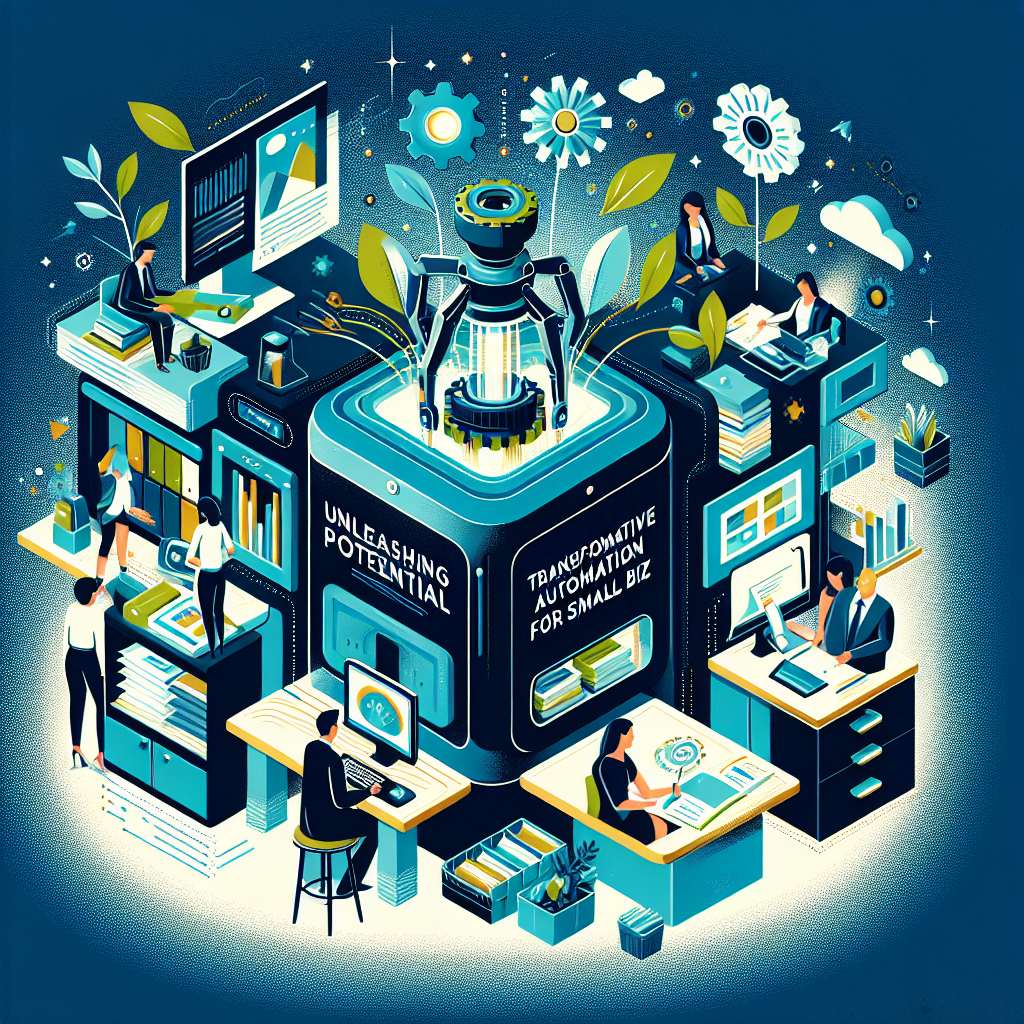
In today’s fast-paced world, small businesses face many challenges. They must find ways to save time and money while growing and satisfying customers. One powerful tool they can use is automation. Unleashing the potential of automation can transform small businesses in exciting ways. In this article, we will explore how automation helps small businesses thrive, key benefits, and practical steps to get started.
What Is Automation and Why Is It Important
Automation means using technology to perform tasks without human help. It allows businesses to streamline processes, reduce errors, and improve efficiency. For small businesses, automation is essential because it can:
- Save time for busy owners and employees
- Cut costs by reducing the need for manual work
- Improve accuracy by minimizing mistakes
- Boost productivity so tasks are done faster
Understanding how automation works is the first step in its implementation.
The Many Faces of Automation for Small Businesses
There are several areas where small businesses can use automation. Each area focuses on a specific aspect of running a business. Here are a few:
1. Marketing Automation
Marketing is crucial for attracting customers. With marketing automation, small businesses can:
- Schedule posts on social media.
- Send emails to customers automatically.
- Track leads to see who is interested in products.
Using these tools allows businesses to reach more people without spending all day on marketing tasks.
2. Customer Service Automation
Good customer service is vital for keeping customers happy. Automation can help small businesses:
- Use chatbots to answer common questions 24/7.
- Send follow-up emails after purchases.
- Collect feedback automatically to improve service.
These tools make sure customers feel valued, even when staff are busy.
3. Financial Automation
Managing money can be tricky for small businesses. Automation can simplify this process by:
- Creating invoices automatically.
- Tracking expenses through software.
- Generating financial reports quickly and accurately.
This leaves more time to focus on making money instead of counting it!
4. Sales Automation
Small businesses need to sell their products effectively. Sales automation helps by:
- Sending reminders for follow-ups.
- Tracking sales activities to know what works.
- Organizing customer data for better insights.
With these systems, small businesses can close deals faster and with less effort.
The Benefits of Automating Small Businesses
Now that we understand what automation is, let’s dive deeper into its benefits. Here are some exciting advantages of adopting automation:
Increased Efficiency
- Work Faster: Automation allows employees to complete tasks in less time, increasing overall productivity.
- Focus on Important Tasks: With routine tasks automated, workers can concentrate on creative and strategic projects that drive growth.
Better Accuracy
- Fewer Mistakes: Automated systems reduce human error, which is especially important in areas like finance and inventory.
- Consistency in Quality: Automation helps maintain a steady quality of work as machines and programs follow the same procedures every time.
Cost Savings
- Less Labor: By automating tasks, businesses can reduce the need for extra hires.
- Lower Operational Costs: Efficient processes mean less waste and better resource management.
Enhanced Customer Experience
- Quick Responses: Automation can handle customer inquiries fast, leading to happier clients.
- Personalization: Automation tools can tailor communications based on customer preferences, making them feel special.
Scalable Solutions
- Grow Easily: As your business expands, automation can grow with it, handling more tasks without needing proportionate increases in staff.
- Flexibility in Resources: Automated systems can adapt to varying workloads, allowing for smooth ups and downs in business volume.
Getting Started with Automation in Small Business
Now that we recognize the value of automation, how can small businesses get started on this transformative journey? Here’s a step-by-step guide:
Step 1 Assess Your Needs
- Identify Tasks: Start by listing out repetitive tasks that could benefit from automation.
- Prioritize: Look for the tasks that consume the most time or lead to errors and prioritize those for automation.
Step 2 Choose the Right Tools
- Research Software: Many tools are available specifically designed for small businesses. Look for user-friendly options.
- Read Reviews: Find out what other small business owners say about various automation tools to ensure you’re making the right choice.
Step 3 Implement in Phases
- Start Small: Choose one area, such as marketing or customer service, to automate first.
- Evaluate Performance: Monitor how the automation affects your workflows and make adjustments as necessary.
Step 4 Train Your Team
- Educate Employees: Provide training so all team members understand how to use new tools effectively.
- Encourage Feedback: Listen to staff experiences and suggestions for improvement with automation.
Step 5 Measure Success
- Set Goals: Determine what you want to achieve through automation (e.g., saving time, reducing costs).
- Track Progress: Regularly check if you are meeting your goals and adjust strategies as required.
Overcoming Challenges of Automation
While automation can be very beneficial, some challenges may arise. Here are ways to tackle those challenges:
Resistance to Change
- Communicate Benefits: Share the advantages of automation with your team to get their buy-in.
- Involve Employees: Include staff in discussions about automation to alleviate fears and encourage cooperation.
Initial Costs
- Budget Wisely: Understand that while there may be upfront costs for automation tools, the long-term benefits usually outweigh these.
- Look for Free Trials: Many software tools offer free trials that allow you to test before committing financially.
Technical Issues
- Seek Support: Make sure to have tech support when implementing new systems.
- Keep Learning: Encourage ongoing learning about the tools to stay updated on best practices.
The Future of Automation for Small Businesses
The world is moving quickly towards more automation. Here are some exciting trends small businesses should watch:
Artificial Intelligence
- Smart Machines: AI is being integrated into automation tools to improve the ability to learn and adapt.
- Personalization: AI can help in personalizing customer communications dynamically.
Integration of Tools
- All-in-One Solutions: More tools are getting integrated to handle multiple tasks in one platform, making management easier.
- Seamless Data Transfer: Automation will allow different systems to communicate, providing better insights and management.
Mobile Automation
- On-the-Go Solutions: More businesses will rely on mobile apps to automate tasks, making management easier while away from the office.
- Accessibility: This allows small business owners to run their operations anytime, anywhere.
Conclusion
Unleashing the potential of automation in small businesses is not just a trend; it’s a game-changer. By adopting various automation tools and practices, small businesses can streamline operations, save time and money, and enhance customer experiences.
Taking the first steps toward automation might feel overwhelming, but with careful planning and implementation, any small business can transform into a more efficient and productive operation. The key is to look at each task and see how automation can help you work smarter, not harder.
Make today the day you start to harness the incredible benefits of automation and unleash the potential of your small business!