
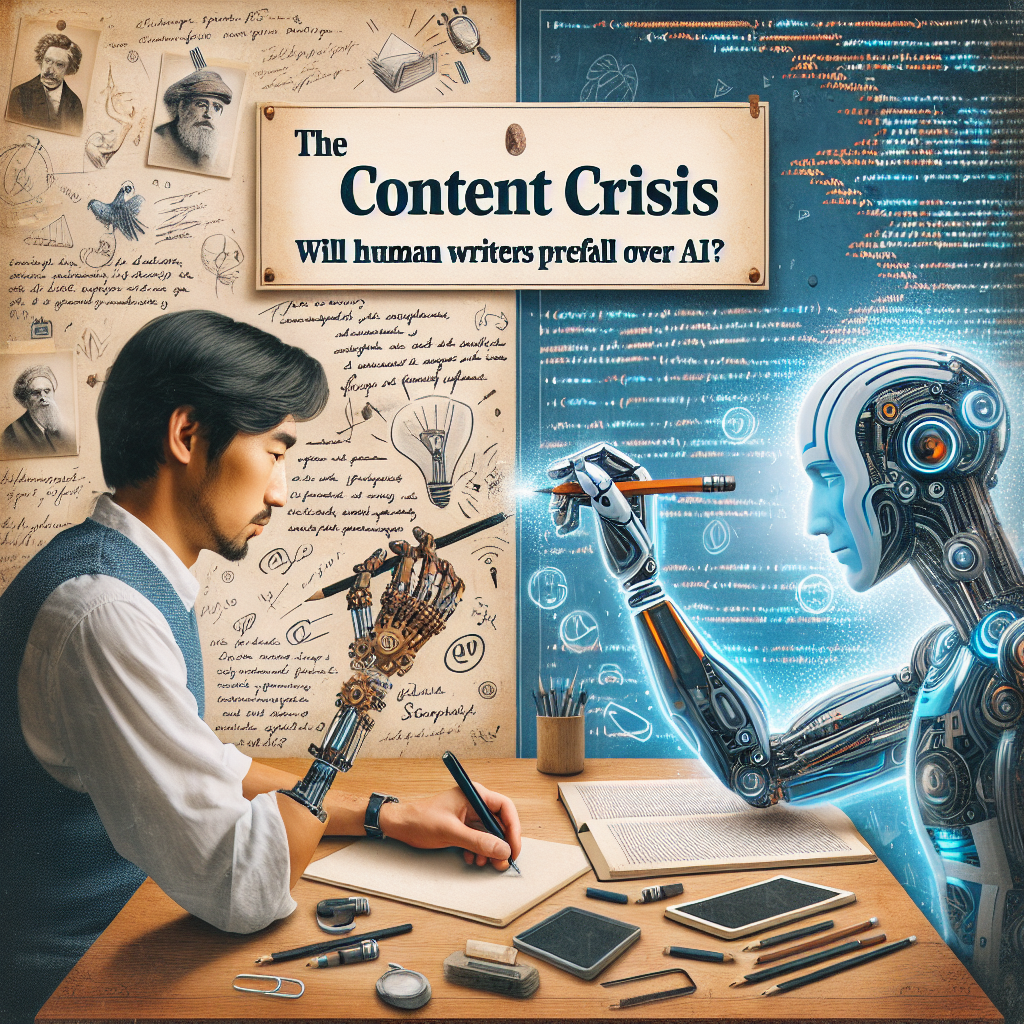
In today’s digital world, we face a fascinating challenge known as the content crisis. This crisis revolves around whether human writers can compete with the rise of artificial intelligence, or AI, in creating written content. With the rapid growth of technology, many wonder if robots can truly replace human creativity. In this article, we will explore the exciting world of writing, AI advancements, and the crucial role of human writers. Let’s dive in!
Understanding the Content Crisis
The content crisis refers to the urgent need for quality written material in various forms, such as blogs, articles, and social media posts. As the internet grows, so does the demand for high-quality content. Here are some important points to understand:
- High Demand for Content: Businesses and websites need fresh content to attract visitors.
- AI Advancements: AI tools can generate written content quickly.
- Human Touch: Many believe human writers bring creativity, emotion, and depth to writing.
The Rise of AI in Writing
Artificial intelligence has made significant advancements in recent years. Once a concept seen only in movies, AI is now capable of writing articles that are informative and interesting. Some key aspects include:
- Speed: AI can produce content faster than a human can type.
- Cost-Effective: Hiring AI tools can be cheaper than paying full-time writers.
- Data-Driven: AI analyzes data to create content that targets specific audiences.
The Pros and Cons of AI Writing
While AI has many advantages, it’s essential to consider the downsides:
Pros of AI Writing
- Efficiency: AI can generate content in minutes.
- Consistency: AI maintains a steady tone and style across multiple pieces.
- Keyword Optimization: AI can effectively use SEO keywords to improve search rankings.
Cons of AI Writing
- Lack of Emotion: AI lacks the human touch, which can make writing feel cold.
- Creativity Limitations: While AI can imitate styles, it can’t create truly original ideas.
- Risk of Errors: AI is not perfect and can make mistakes in context or tone.
The Creative Edge of Human Writers
At its core, writing is an art form. Human writers possess unique qualities that make them special. Here are some reasons why human writers still hold an essential place in the content world:
Emotion and Empathy
- Understanding Feelings: Human writers can connect with readers on a deeper emotional level.
- Personal Touch: They can tell personal stories that resonate with others.
Creativity and Originality
- New Ideas: Humans can think outside the box and generate fresh, original concepts.
- Metaphors and Analogies: Human writers use literary devices that engage and captivate readers.
Adaptability
- Understanding Context: Humans can adapt their writing style based on audience and situation.
- Changing Trends: Writers can respond to current events or social issues, creating timely content.
Collaboration Between Humans and AI
Rather than viewing AI as a competitor, many believe that a partnership between human writers and AI can yield incredible results. Here are some benefits of combining both forces:
Brainstorming Ideas
- Idea Generation: AI can suggest topics or themes while humans refine and add details.
- Enhanced Creativity: Writers can collaborate with AI to spark new ideas.
Editing and Refining
- AI Tools for Edits: Grammar and spelling checks from AI can help polish human-written content.
- Fact-Checking: AI can assist in verifying facts and ensuring high-quality information.
Optimizing for SEO
- Keyword Research: AI can conduct keyword research to improve visibility.
- SEO Formatting: AI can help arrange articles to maximize engagement and readability.
The Future of Content Creation
So, what does the future hold for content creation? As we move forward, new advancements in technology will continue to shape the writing landscape. Here are some trends to watch:
Increased Use of AI Tools
- More Writing Assistants: Writers will increasingly use AI tools for various tasks.
- Greater Efficiency: This combination will lead to faster content production without sacrificing quality.
Emphasis on Quality Over Quantity
- Focus on Value: Audiences will prefer in-depth, meaningful content rather than just quick reads.
- Human Creativity: Unique human perspectives will lead the way for engaging content.
Human Writers Remain Vital
- Real Stories Matter: Authentic human experiences will always connect with readers.
- Emotional Resonance: Content that touches people’s hearts will stand out.
Conclusion
As we navigate the content crisis, it is evident that both human writers and AI play crucial roles in the world of writing. AI has opened doors to new possibilities, but human creativity, emotion, and adaptability cannot be overshadowed. The future likely lies in a collaboration where both forces unite to create high-quality, engaging content.
The question remains: Will human writers prevail over AI? The answer may not be a simple yes or no. Instead, it is a combination of both that will determine the landscape of writing in the years to come. Together, they can tackle the content crisis and present readers with the meaningful material they crave.
Takeaway Points
- The content crisis highlights the urgent demand for quality writing.
- AI has made significant strides in content creation but lacks the emotional and creative touch of humans.
- Collaboration between human writers and AI tools can enhance content quality and efficiency.
In a world where technology is rapidly evolving, it’s essential to embrace both human creativity and the power of AI. Together, they can shape a brighter future for content creation.