
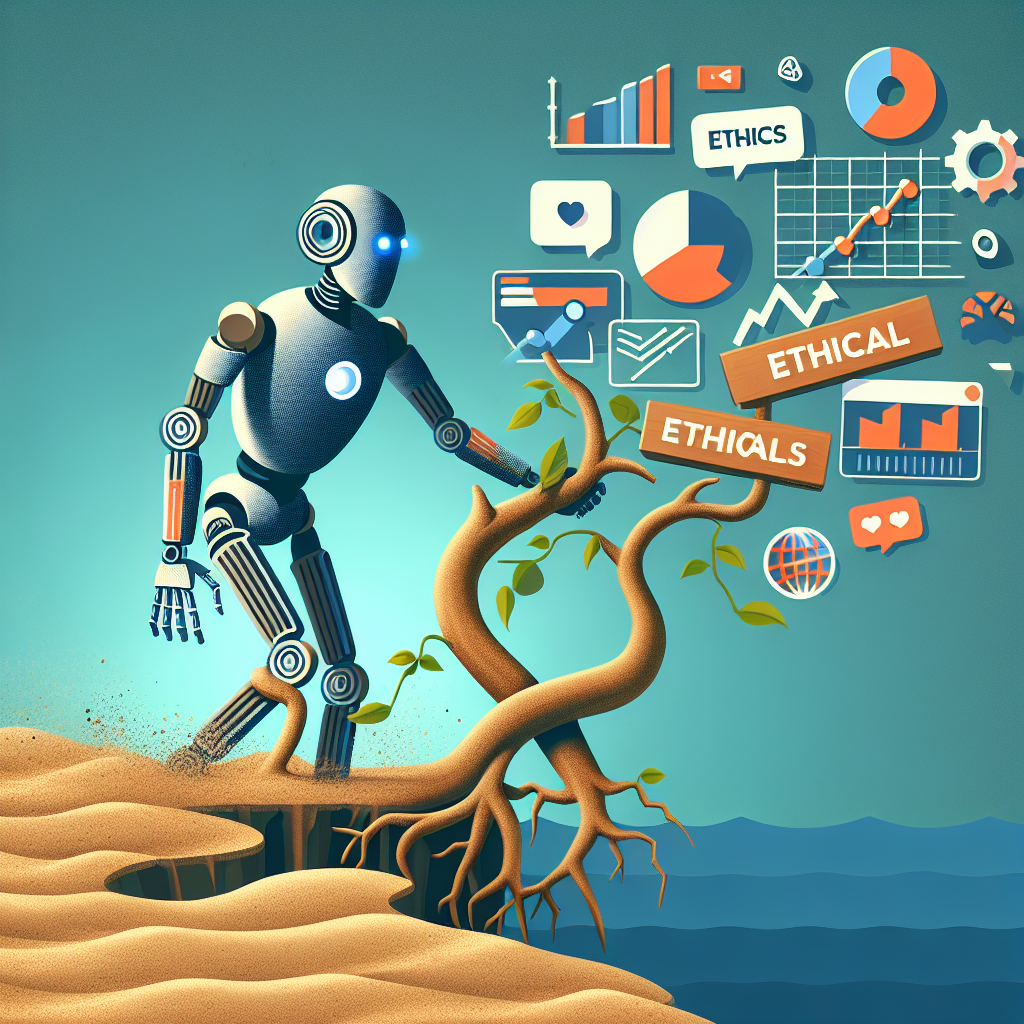
In today’s world, digital marketing and technology have changed how businesses reach customers. With these changes comes the exciting yet challenging role of artificial intelligence or AI. While AI can make marketing easier and more effective, it also raises important ethical questions. In this article, we will explore how AI affects digital marketing, the ethical challenges it brings, and how to navigate these tricky waters.
Understanding AI in Digital Marketing
AI is a powerful tool used in many ways in digital marketing. Below are some key functions of AI in this field:
-
Data Analysis: AI can analyze huge amounts of data quickly. This helps marketers understand customer behaviors and trends.
-
Personalized Recommendations: AI can create personalized shopping experiences. For example, AI can suggest products that a customer is likely to buy based on their past behavior.
-
Chatbots and Customer Service: Many websites use AI-powered chatbots to answer customer questions 24/7. This is convenient for customers and helps businesses provide quick responses.
- Content Creation: AI can assist in creating content. It can generate ideas for blog posts or even write simple articles.
While these features sound great, they also pose some ethical challenges. Let’s look at these ethical dilemmas in more detail.
The Ethical Challenges of AI in Digital Marketing
Privacy Concerns
-
Data Collection: One of the biggest issues is how AI collects data. Companies often gather personal information without clearly informing customers. This can make people feel uneasy.
- Informed Consent: Many people do not realize how their data is being used. It is crucial for businesses to be transparent about data usage and get customer consent.
Manipulation and Deception
-
Targeted Advertising: While targeted ads can be beneficial, they can also mislead customers. For example, AI might show ads only to specific groups, which can create a distorted view of reality.
- Fake News and Misinformation: AI can create realistic content, including fake news. This raises questions about trust and the truthfulness of the information being shared.
Job Displacement
-
Automation of Jobs: AI can do many tasks that humans used to do, which can lead to job loss. It’s important to find a balance between technology and human workers.
- Skill Gaps: As AI becomes more prevalent, some workers may find themselves unprepared for the changes. Businesses should offer training to help employees adapt.
Ethical Algorithms
-
Bias in AI: AI systems can have built-in biases that affect decision-making. If the data used to train AI is not diverse, it may lead to unfair outcomes.
- Responsibility for AI Decisions: When AI makes a mistake, it is unclear who is responsible. Businesses need to have clear guidelines on accountability.
Best Practices for Ethical Digital Marketing Using AI
To navigate the ethical challenges of using AI in digital marketing, businesses can follow these best practices:
Be Transparent
-
Inform Customers: Clearly explain how data will be collected and used. This builds trust with customers.
- Share Algorithms: If possible, share how AI algorithms work. Transparency can help customers understand and feel comfortable with AI.
Prioritize Customer Privacy
-
Secure Data: Invest in strong data security to protect customer information. Always comply with privacy regulations like GDPR.
- Get Consent: Always ask for permission before collecting personal data. Make it easy for customers to opt out if they choose.
Promote Fairness and Inclusivity
-
Diverse Data Sets: Use diverse data sets to train AI systems. This helps reduce bias in AI processes and ensures fair treatment for all customers.
- Regular Audits: Conduct regular audits of AI systems to catch and correct biases. This is crucial in maintaining ethical standards.
Invest in Human Resources
-
Training Programs: Provide training for employees to help them adapt to new technologies while encouraging communication.
- Human-AI Collaboration: Encourage teamwork between AI tools and human experts. This can enhance creativity and decision-making.
Success Stories of Ethical AI in Digital Marketing
Case Study 1: A Retail Brand
A popular retail brand used AI to analyze customer feedback. Instead of using it for manipulation, they engaged with customers directly and adjusted their products based on feedback. This led to:
- Increased customer satisfaction
- A stronger connection with their audience
- Better overall sales performance
Case Study 2: A Non-Profit Organization
A non-profit organization used AI to analyze data on community needs. They then shared this data transparently with stakeholders. As a result:
- They were able to create more effective programs
- They gained trust from donors and the community
- Their overall impact increased significantly
The Future of AI in Digital Marketing
The future of AI in digital marketing looks promising but requires attention to ethical considerations. Here are some trends to look out for:
Growth of Voice Search
- With more people using voice assistants, AI will help optimize content for voice search. This means adapting strategies to improve visibility when users ask questions.
Enhanced Personalization
- Customers will expect better personalized experiences. AI will continue to help businesses deliver highly targeted content based on individual choices and preferences.
Continued Importance of Ethical Standards
- As AI technology evolves, ethical standards will become even more crucial. Companies that prioritize ethics will build long-lasting relationships with their customers.
Conclusion on AI in Digital Marketing
Artificial intelligence is transforming digital marketing by making it smarter and more efficient. However, with these advancements come ethical challenges that can put businesses in tricky situations. By prioritizing transparency, customer privacy, fairness, and investing in human resources, companies can successfully navigate these challenges.
As digital marketing continues to evolve, being mindful of ethical concerns will only enhance relationships with customers. When businesses use AI responsibly, they not only avoid ethical quicksand but also create a sustainable future for both themselves and their customers.
By understanding and addressing these ethical dilemmas, companies can harness the power of AI in a way that benefits everyone. In doing so, they will lead the way into a new era of digital marketing that values ethics as much as it values technology.