
In today’s fast-paced world, Artificial Intelligence, or AI, is changing how we do lots of things, including marketing. While AI helps companies reach more people and make more money, it also raises ethical dilemmas. In this article, we will explore the challenges of using AI in marketing. Let’s dive into this exciting yet complicated topic.
What is Artificial Intelligence in Marketing
Artificial Intelligence means using computers or machines to do things that usually need human intelligence. This can include recognizing speech, making decisions, and learning from data. In marketing, AI helps businesses understand their customers better. Here are some ways it’s used:
- Customer Data Analysis: AI analyzes large sets of data to find patterns in customer behavior.
- Personalization: AI tailors marketing messages to fit individual customers’ preferences.
- Chatbots: These AI-powered tools talk to customers and answer their questions.
- Predictive Analytics: This helps companies predict what customers might want in the future.
While these tools can be very helpful, they also come with risks. Knowing the ethical dilemmas is essential for responsible use.
Understanding Ethical Dilemmas
Ethical dilemmas happen when choices can lead to right or wrong outcomes. With AI in marketing, we face several dilemmas that need careful thought. Here are some common ethical challenges:
Privacy Concerns
AI loves data, and for good reason. It helps companies learn so they can sell better. However, this brings up the question of privacy.
- Personal Data: Companies collect lots of personal data, like browsing history and shopping habits. This can feel like they are invading our privacy.
- Informed Consent: Do customers always know what data is being collected and how it will be used?
Manipulation
AI can be super persuasive. It targets customers in ways they may not even notice. This might lead to:
- Influencing Decisions: Is it fair for AI to influence our choices without us knowing?
- Excessive Targeting: How much is too much when it comes to showing ads?
Bias and Fairness
AI learns from existing data. If that data has bias, the AI will, too. This can lead to unfair marketing practices.
- Discrimination: Some groups might be unfairly targeted or left out of marketing campaigns.
- Transparency: Companies must be clear about how they collect and use data.
Job Displacement
With AI doing more tasks, what happens to human jobs?
- Automation: Many jobs in marketing can be replaced by AI, leading to fewer job opportunities for people.
- Skills Gap: There may also be a skills gap as workers need to learn new technologies.
Balancing Efficiency and Ethics
While using AI can make businesses more efficient, it is vital to balance this with ethical considerations. Here are some tips for companies:
Set Clear Policies
Create well-defined policies on how to use AI in marketing.
- Data Usage: Clearly state what data is collected and how it is used.
- Opt-Out Options: Give customers a way to choose whether they want their data collected.
Promote Transparency
Be open about AI processes and data handling.
- Explain Algorithms: Help customers understand how AI helps personalize their experiences.
- Public Trust: Transparency builds trust between companies and customers.
Focus on Fairness
Ensure that marketing practices are fair for everyone.
- Diverse Data Sets: Use diverse data sets to train AI systems.
- Bias Audits: Regularly check for bias in marketing algorithms.
The Future of AI in Marketing
The way we use AI in marketing will continue to evolve. Here’s what we can expect:
Improved Personalization
AI will improve in understanding customer behavior, offering even better-targeted ads.
- Smarter Recommendations: Expect more tailored suggestions that feel genuine.
- Enhanced User Experience: Companies will create smoother interactions through AI.
Ethical AI Development
The more we discuss ethical dilemmas, the more companies will focus on ethical AI.
- Corporate Responsibility: Businesses will adopt responsible practices for AI use.
- Regulations: Governments might introduce rules to guide ethical AI marketing.
Collaborative Marketing
AI tools will help teams collaborate better and streamline marketing efforts.
- Teamwork: AI will integrate with human efforts, making a more effective marketing strategy.
- Resource Management: Companies will use AI to allocate resources more efficiently.
Conclusion
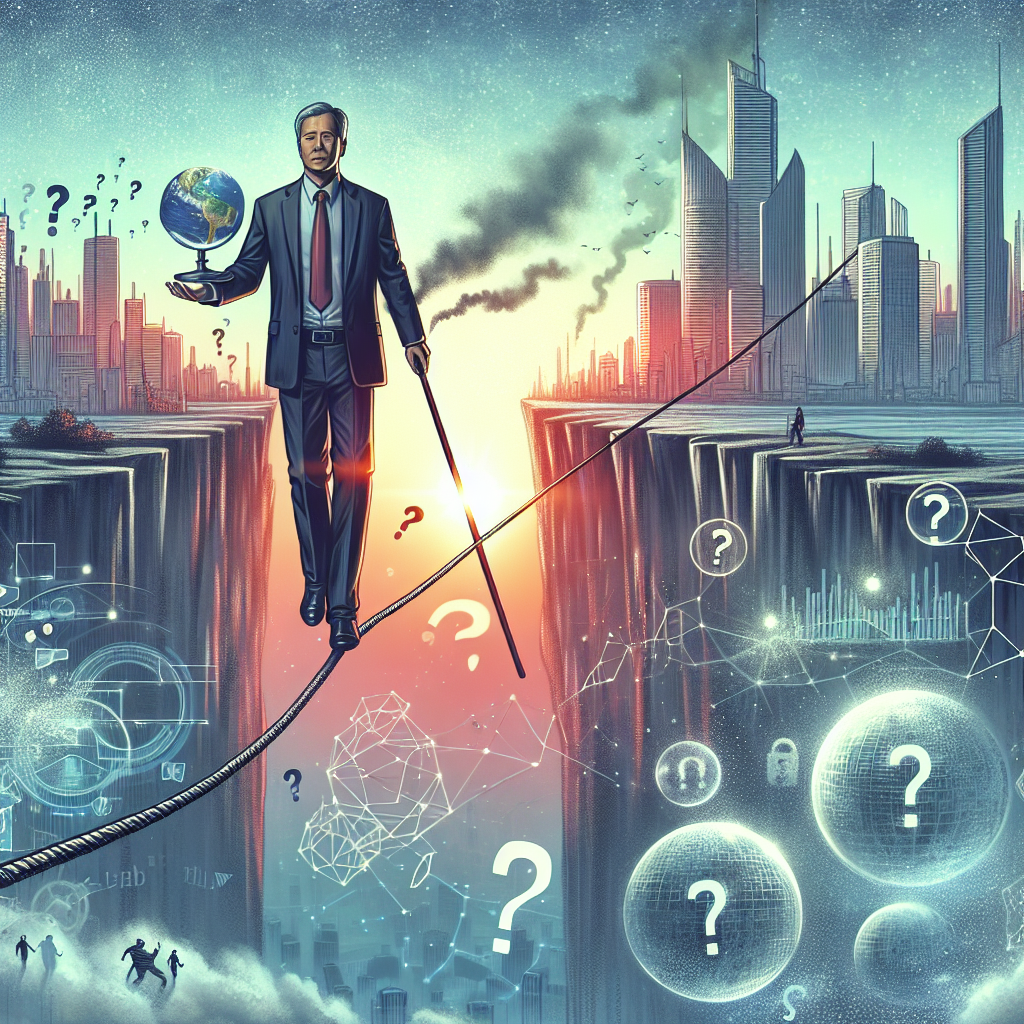
While AI is a powerful tool for marketing, we must walk a tightrope to ensure we use it ethically. Understanding the ethical dilemmas of AI in marketing helps companies build trust with their customers while still being efficient. It’s all about finding that balance.
Key Takeaways
- AI offers many benefits to marketing, like data analysis and customer personalization.
- Serious ethical dilemmas arise, including privacy concerns, manipulation, and fairness.
- Companies can navigate these challenges with clear policies, transparency, and a focus on fairness.
- The future of AI in marketing looks promising but requires ongoing discussions about ethics and responsibility.
As we continue to explore the landscape of AI and marketing, let’s make a commitment to prioritizing ethics and integrity. By doing so, we can all enjoy the benefits of AI.